Bathroom Remodeling Contractors in Orange County: Find Local Pros
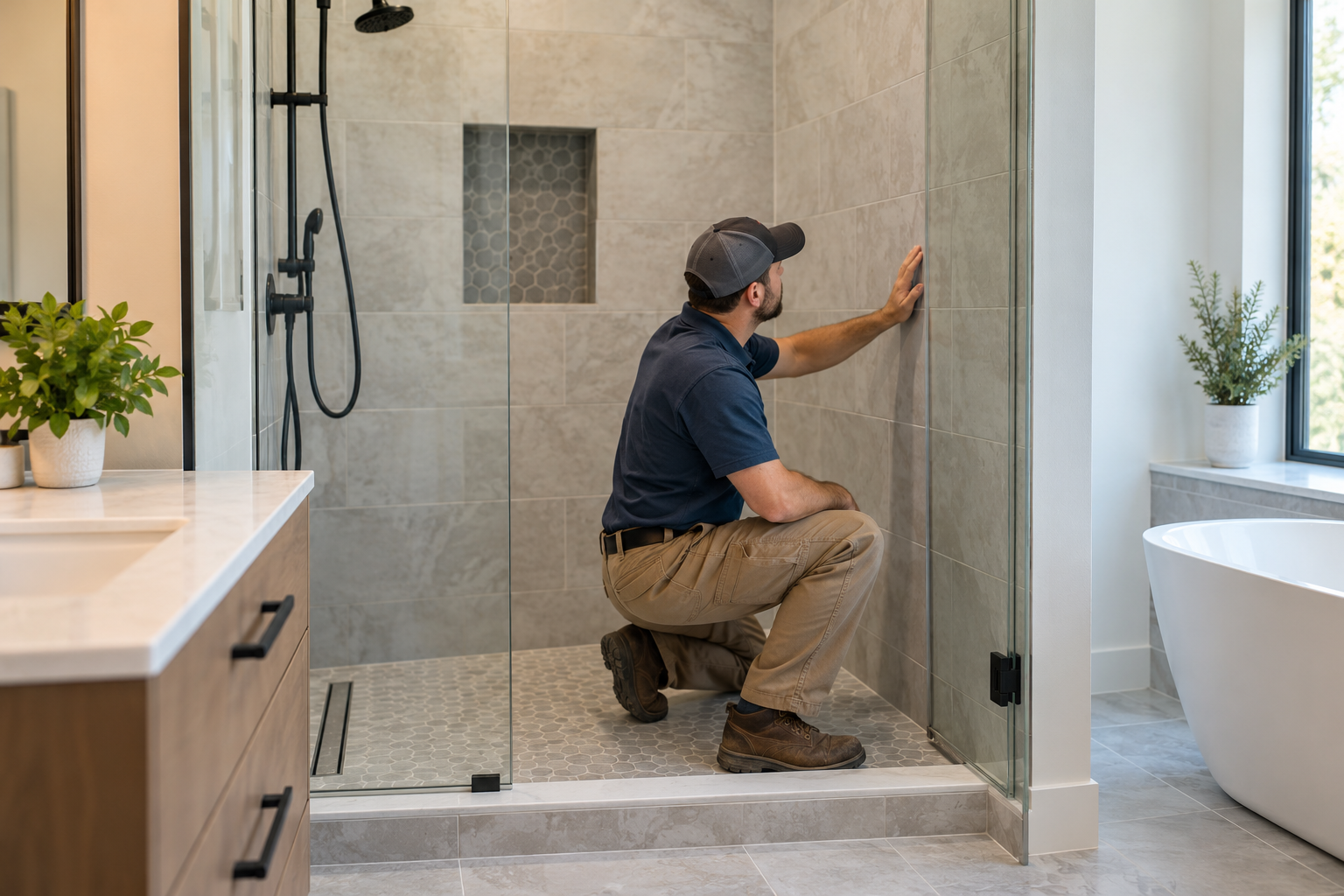
To find bathroom remodeling contractors in Orange County, define the work you want, confirm service at your address, check the contractor’s current license record, and compare written proposals with the same scope. A cosmetic refresh, shower replacement, and complete layout change are different projects. Choosing the right professional begins with knowing which one you are planning.
A bathroom remodel involves more than choosing tile. Access to plumbing, waterproofing details, ventilation, electrical work, and the order of inspections can influence the result. This guide helps you prepare a project brief and evaluate proposals without assuming that every contractor offers the same services or that a directory placement establishes qualifications.
Decide What Your Bathroom Remodel Must Accomplish
Start with the problems you want to solve. Perhaps the shower is difficult to enter, storage is limited, the room stays damp, or the layout feels crowded. List these issues before selecting finishes. A contractor can then distinguish changes that address daily use from changes that mainly affect appearance.
Separate essential requirements from preferences. Keeping the toilet and shower in their current locations may lead to a different proposal than moving both. A larger vanity may reduce walking space. A freestanding tub may require changes that are not obvious in a photograph. Ask the contractor to explain these tradeoffs using measurements from your room.
Write a short description of the household’s needs. Include how many people use the bathroom, whether it is the only bathroom, and whether you need easier access or space for assistance. Avoid relying on a general label such as “accessible bathroom.” Explain what must be easier to reach, use, or maintain, and have the designer evaluate appropriate dimensions.
Match The Contractor To The Project
A Surface Refresh
Painting, replacing selected accessories, and changing a vanity can sometimes be planned as a limited update. Even a small project needs clear boundaries. Ask whether the price includes removing the existing materials, repairing the wall behind them, connecting the new fixtures, and disposing of debris.
Customer supplied products require coordination. Confirm dimensions, delivery dates, compatibility, and responsibility for missing parts. A vanity that arrives damaged can interrupt several trades. Decide who handles returns and whether an installer charges for a return visit before placing orders based only on a sale price.
Shower And Tub Replacement
A shower proposal should describe the complete assembly, not only the visible tile. Ask who prepares the substrate, installs the waterproofing system, addresses transitions, and performs any required testing. The contractor should explain how the chosen materials work together and how the work will be documented before surfaces are covered.
Discuss shower doors and glass early. Measurements may happen at a different stage from tile installation, and custom glass can have a separate lead time. Identify who measures, orders, installs, and warrants the enclosure. A project described as complete should make clear whether you can actually use the shower at handover.
A Full Bathroom Renovation
A full renovation may involve demolition, revised framing, multiple trades, inspections, and substantial finish work. Ask who coordinates the project and how you receive updates. The person who sells the work may not be the person managing the site each day.
For layout changes, request a drawing that shows fixture positions and important clearances. Review the relationship between doors, drawers, mirrors, and lighting. Ask what the proposal assumes about concealed conditions. A clear allowance for investigation is more useful than an unexplained promise that nothing unexpected will happen.
Confirm Orange County Coverage And Property Requirements
Provide your city, ZIP code, and property type when requesting a visit. A contractor advertising countywide may have a smaller working area or different scheduling arrangements for different cities. Confirm actual availability for your address rather than choosing solely because a business name includes Orange County.
An Anaheim condominium, an Irvine townhome, and a detached house in Huntington Beach can present different access and approval issues. Describe the actual property instead of expecting a contractor to infer its conditions from the city. Mention parking restrictions, stairs, elevator reservations, shared walls, and association work hours when they apply.
You can start with the Kitchen & Bathroom Remodeling category and the Orange County locations hub. Directory categories help organize a search. Confirm services, business identity, and current availability directly with the provider; sample advertisements are demonstrations rather than recommendations for operating businesses.
Check Qualifications Without Relying On Advertising
Use the California Contractors State License Board’s contractor selection guidance when evaluating a company. Check the current record and compare the contracting business name with the proposal. Request an explanation of which classifications and subcontractors cover the work.
Ask for insurance information and identify the person responsible for supervising the project. References are most useful when they involve a similar bathroom and scope. A polished portfolio can show design preferences, but photographs alone do not establish who performed the work or how the concealed construction was completed.
Ask whether you can discuss a comparable completed project with its owner, subject to that person’s permission. Focus on communication, protection of the home, schedule changes, and follow-up service. Those details help you evaluate the working relationship without treating a few positive reviews as a guarantee.
Understand Permits And Approvals
Confirm the permit authority for the property before assuming that a small room means a permit is unnecessary. OC Development Services lists bathroom remodeling and electrical, plumbing, and mechanical work among projects that typically require permits within its jurisdiction. Its building permit information applies to unincorporated county areas and county properties. Incorporated cities generally have their own building departments.
Ask who prepares documents, applies for permits, pays fees, schedules inspections, and closes the permit. Get those responsibilities in the proposal. An association approval and a building permit serve different purposes, so ask about both when the property is part of a managed community.
Avoid scheduling demolition before the contractor explains the approval and inspection sequence. You should know which stages must remain accessible for inspection. Keep copies of permits and final sign-offs with the project records rather than assuming they will remain available through a salesperson’s email account.
What A Useful Bathroom Remodeling Estimate Includes
Compare proposals line by line. The most useful estimate describes the room, scope, materials, labor, and exclusions well enough that another contractor can understand what is being offered. A single total attached to “complete bathroom” leaves too much room for different interpretations.
Request details for demolition, protection, plumbing connections, electrical work, ventilation, waterproofing, tile, cabinetry, counters, fixtures, paint, glass, cleanup, and disposal as applicable. Mark owner supplied items separately. Ask whether work outside the bathroom, such as patching an access opening, is included.
Allowances should identify what they cover and how unused or additional amounts are handled. A tile allowance may refer only to material, while another quote includes setting materials and labor. Compare the complete installed scope. Low allowances can make an initial price look attractive while leaving many decisions unresolved.
Questions To Ask Before Signing
- Who will manage my project and communicate schedule changes?
- Which tasks are included, and which require another contractor?
- Who handles permits, inspections, and association requirements?
- What waterproofing assembly and testing are included?
- Which products have allowances, and what do those allowances cover?
- How are concealed conditions documented and priced?
- What happens if a selected fixture is unavailable or delayed?
- What documents and warranty information will I receive at completion?
Use the answers to compare process as well as price. For example, a contractor who names a site contact and explains when decisions are due gives you a practical way to keep the project moving. Vague reassurance is harder to evaluate than a written responsibility and a clear next step.
Review The Contract And Change Process
Read the written agreement before committing. CSLB’s home improvement contract checklist addresses detailed scope, permits, dates, payments, and written changes. Ask the contractor to explain any provision that does not match the proposal you discussed.
Tie payment discussions to the applicable contract requirements and completed work. Do not treat a request for a large advance as routine simply because materials are expensive. CSLB generally limits home improvement down payments to the lesser of $1,000 or 10 percent; confirm applicable rules and any recognized exception directly with CSLB.
Changes should identify the additional work, price, and schedule effect before authorization. If demolition reveals a problem, request photographs and an explanation of the options. Keep verbal conversations productive by following them with a written decision. A short documented change is easier to understand later than conflicting recollections.
Plan For Daily Life During Construction
Ask how long the bathroom is expected to be unavailable and what could change that estimate. If it is the only bathroom, discuss temporary arrangements before the start date. Consider the time between removing fixtures and completing usable plumbing, electrical work, and required inspections.
Agree on dust control, work hours, access, and protection of nearby rooms. Identify where materials will be stored and how debris leaves the property. Move personal items and medicines before work begins. Tell the contractor about pets and any restrictions on unattended access.
Create a decision calendar. Tile layout, grout, fixture placement, paint, and hardware may need approval at different times. Ask which choices must be finalized before ordering. Late decisions can affect installation even when the crew is otherwise ready, so make the sequence visible to everyone involved.
Check Progress Before Finishes Hide The Work
Request updates at meaningful stages rather than only when something looks finished. Photographs of plumbing locations, waterproofing, and other concealed work can be useful records. Ask what tests and inspections have occurred, who performed them, and whether any corrections remain outstanding.
Review changes against the drawing and written selections. If a niche, grab bar backing location, or cabinet configuration differs from the agreement, raise it while correction is practical. Avoid directing individual subcontractors to change work independently of the project manager, because that can create conflicting instructions.
A progress conversation should answer three questions: what is complete, what happens next, and what decision is needed from you. This keeps attention on work that affects usability and completion instead of judging progress only by the number of workers present on a particular day.
Finish With A Detailed Walkthrough
Arrange a walkthrough with the project manager. Operate fixtures, drawers, doors, lights, and the ventilation controls. Ask the contractor to demonstrate cleaning and maintenance requirements for the installed surfaces. Do not assume that every cleaner is suitable for every finish or sealant.
Record incomplete items and the planned correction dates. Ask for product manuals, warranty terms, final invoices, approved changes, and permit completion records when applicable. Identify whom to contact for a leak, a hardware adjustment, or a workmanship concern after the project closes.
Keep a separate list of routine owner maintenance. A finished bathroom still needs appropriate cleaning, ventilation, and attention to developing leaks. Written care instructions help distinguish a service issue from a maintenance task and make later conversations with the contractor more precise.
Frequently Asked Questions
How Do I Compare Bathroom Remodeling Contractors In Orange County?
Compare similar written scopes, current qualifications, relevant examples, supervision, and communication. Ask each company to address the same project brief. When one proposal excludes glass, permits, or wall restoration, adjust your comparison instead of treating its lower total as an identical offer.
Can I Keep The Existing Bathroom Layout?
Ask the contractor to evaluate that option during the site visit. Keeping locations may reduce some work, but concealed damage, access, fixture compatibility, and your functional goals still matter. Request separate explanations for necessary repairs and optional layout improvements.
How Long Will The Remodel Take?
The schedule depends on scope, approvals, material availability, inspections, and conditions discovered during work. Request a project specific sequence and identify the stages that can interrupt bathroom use. A generic timeline from another home is a planning reference rather than a commitment for your property.
Does A Directory Badge Replace My Own Checks?
No. Read what a particular badge means and verify qualifications relevant to the work yourself. A business identity check is different from confirming a contractor’s license, insurance, permit responsibilities, workmanship, or suitability for your bathroom. Paid placement should also be evaluated separately.
Start With A Clear Project Brief
A useful first inquiry includes your city, property type, approximate room size, desired changes, preferred timing, and photographs you can take safely. Ask for a visit and a written scope rather than an immediate final price based on a short message.
Return to the remodeling category to organize your search, or explore Home Improvement Guides for related planning resources. This article is a consumer hiring guide prepared by Business Directory Orange County from the linked public sources. It does not establish that any provider has been inspected or endorsed by the directory.